
Tag: christianity

  • Why We Are Building the Medicine Lodge — A Place for Prayer in Troubled Times

    Thank you for visiting our new website. On our previous website, I wrote a new blog each week. With this new site, I will be posting once a month instead of once a week. Over the past few months, we have been busy writing an ebook that you can find on our Resources page. We are now writing a second book titled Beyond the Veil: Deliverance, Deception, and the Spirit World.

    The reason for writing is to share what is on my heart. I try to keep my finger on the pulse of what is happening around us. One of the things I am seeing is people doing what is called deconstructing their Christian faith. Another is the changing landscape of world religions. Some projections suggest that Islam could eventually surpass Christianity as the world’s largest religion. If this happens, what would be the cause? Is Christianity becoming too fractured? But perhaps there is a more important question. Have we become so divided over religious beliefs that we have forgotten what it means to care for one another?

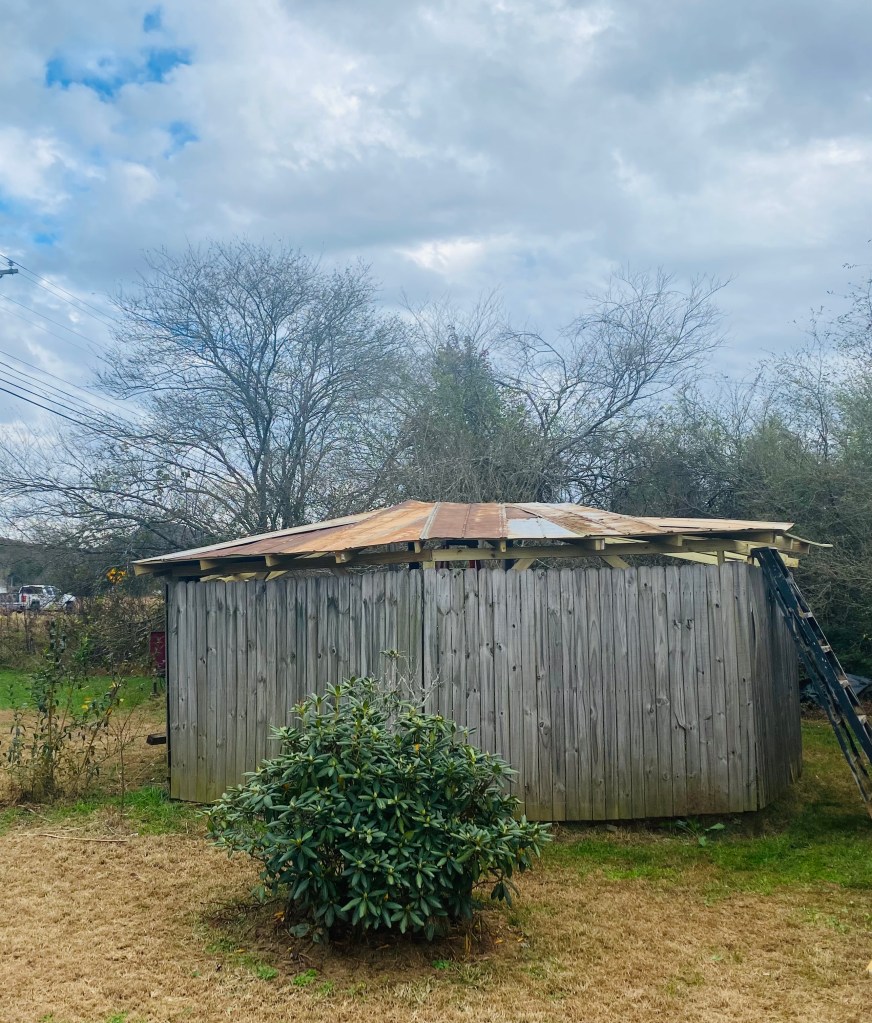
    On our new website, I have added a page titled Medicine Lodge. The reason for this page and what I am doing is connected to these very concerns. Through the years, I have always made a place for prayer. When we purchased this property and began to build, one of the first things I did was establish a place for prayer. This was a circle designed after the Creek traditions I have followed for so many years. Over these past months, spending more time in prayer has been heavy on my heart.

    The heaviness on my heart and why I want to teach the principles of the Medicine Lodge are based on these questions: How have we as people become so far removed from what the Scriptures teach? Why are people so divisive, and why do we seem to have lost our compassion for others?
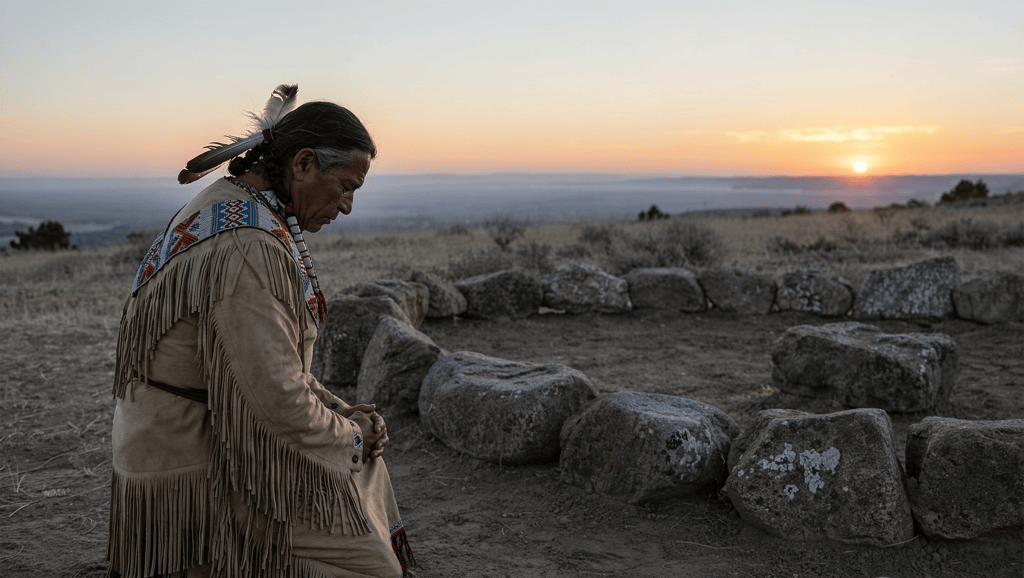
    November is Native American Heritage Month. Yet during this very month, one of the largest nonprofit food distribution networks, reporting annual revenue of approximately $98.8 million, has withdrawn its distribution support from the Cherokee Boundary in North Carolina. I have been in direct contact with the people operating the last food pantry affected by this decision. This pantry has been providing food for more than 500 families each month. Now, those responsible for meeting these needs are scrambling to find another way to provide food for these families as winter approaches.

    Think about that for a moment. More than 500 families depend on this pantry each month, and now the people who have been helping them are left wondering how they will continue. Where is the compassion? Where is the concern for our fellow human beings? We can build large organizations, establish religious institutions, and debate what we believe, but what have we accomplished if we forget to care for those in need?

    This is why prayer is so important to me and why I am building the Medicine Lodge. Prayer is not simply asking the Creator to change our circumstances. It is also about examining our own hearts, seeking guidance, and learning what we must do to become better human beings. Prayer should lead us toward compassion, understanding, and a willingness to help others.

    I am now putting the roof on the Medicine Lodge so that it can become a place where I can pray year-round and where others can come to pray, learn, and grow in the Spirit. It is not being built to establish another religion or to argue over whose beliefs are correct. It is being built as a place where we can seek a deeper relationship with the Creator and learn again what it means to be a human being who cares for others.

    As we continue building, I invite you to follow this journey with us. There is much work to be done, not only on the Medicine Lodge but within ourselves.

    Perhaps that is where the change must begin.
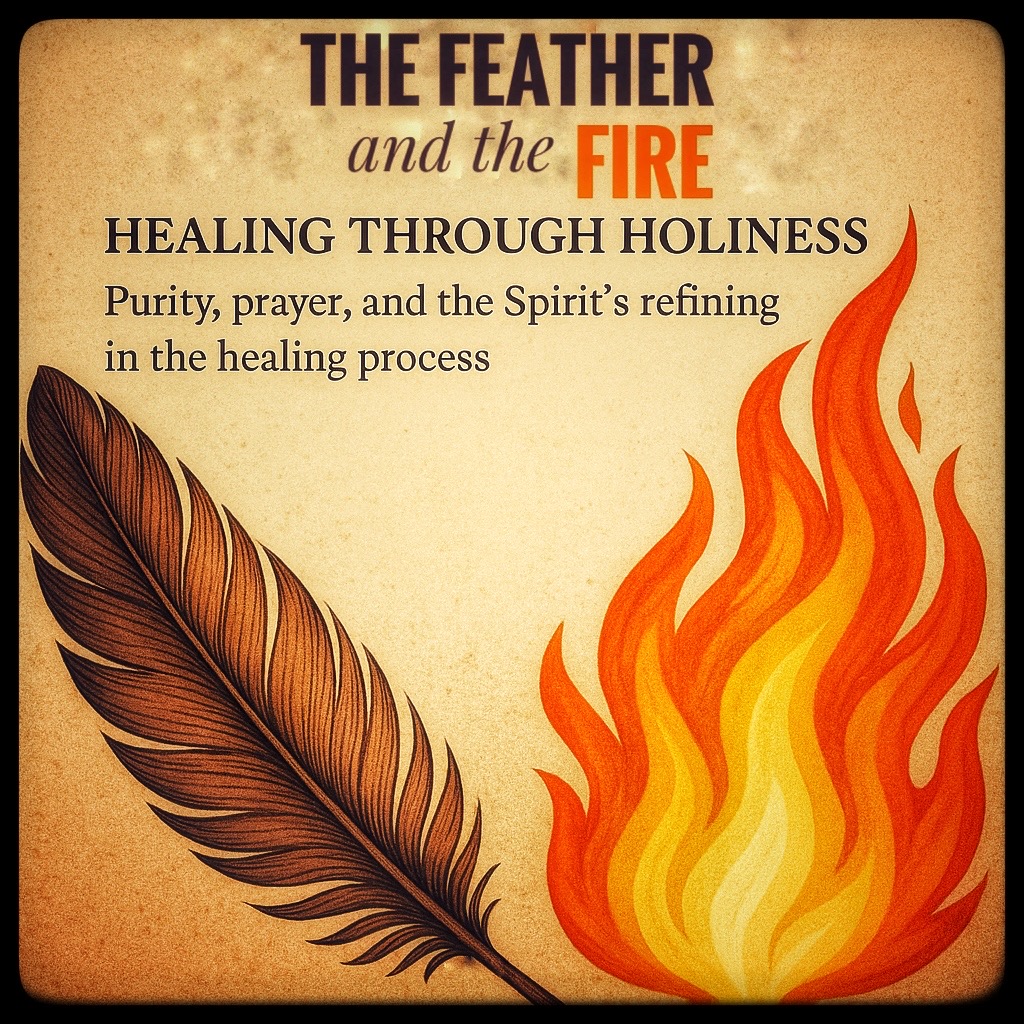
  • The Feather and the Fire: Healing Through Holiness”

    In today’s world, it’s common to see feathers worn as fashion accessories. But for Indigenous people, feathers are far more than decorative — they are sacred symbols, deeply rooted in spiritual meaning and cultural tradition.

    Across Native American tribes, feathers carry distinct significance. Among the Creek and Seminole peoples, for example, the egret feather symbolizes purity and is often worn by tribal leaders and elders. The red-tailed hawk feather represents warrior spirit and courage. Perhaps most revered is the eagle feather, considered a gift of honor, a source of healing medicine, and a sacred tool in prayer.

    While feathers are not directly addressed in the Torah, they play a role in both Native and Hebraic traditions — points of intersection that invite deeper spiritual reflection. In Jewish symbolism, feathers often represent divine protection, as echoed in Psalm 91:4:

    “He will cover you with His feathers, and under His wings you will find refuge; His faithfulness will be your shield and rampart.”

    Likewise, eagle wings hold sacred meaning. Isaiah 40:31 tells us:

    “But those who wait on YHWH shall renew their strength; they shall mount up with wings like eagles, they shall run and not be weary, they shall walk and not faint.”

    These spiritual metaphors remind us of the ways the Creator covers, uplifts, and strengthens us. But the image of the feather doesn’t stop there. It appears in ancient Hebraic traditions tied to purity and the removal of sin — most notably in the Passover ritual of Bedikat Chametz, or the searching for leaven.

    This ritual, performed the night before Passover, is more than a physical act — it’s a symbolic call to spiritual cleansing. Participants search every corner of the home for even the tiniest crumbs of chametz (leaven), using three simple tools: a candle to expose what’s hidden, a feather to sweep the crumbs, and a wooden spoon to collect them. The items are then burned, completing a sacred act of purification.

    In this context, leaven represents sin. Just as a small amount of yeast causes bread to rise, even the smallest compromise in our spiritual walk can grow and infect the whole. This Passover tradition reminds us of the seriousness of sin — and the need for a thorough, Spirit-led purification.

    Interestingly, the feather, once pure, becomes soiled by the crumbs. It must be burned — a powerful symbol of how holiness must confront and consume impurity.

    In Native life, purity once shaped daily rhythms. From sunrise to sunset, life centered around honoring the Creator and walking in integrity. Prayers were fanned with feathers, as the smoke of offerings rose like petitions to the heavens. The feather became an extension of our cry for healing, peace, and spiritual alignment.

    But as the feather symbolizes our prayer and purification, fire symbolizes the presence, power, and protection of the Creator. In Native ceremonies, fire is the center. It is eternal, and all offerings — whether of song, word, or sacrifice — are directed toward it.

    We find the same imagery in Scripture. In Genesis 8:20, Noah builds an altar and offers burnt offerings after the flood. Though earlier offerings appear in the story of Cain and Abel, this is the first recorded instance of a burnt offering — a sacrifice by fire. It shows that even early on, people understood the refining nature of fire and its role in spiritual expression.

    Throughout the Torah and Prophets, fire represents YHWH’s holiness and presence.

    • In Exodus 3:2, He appears to Moses in a burning bush.

    • In Exodus 13:21, a pillar of fire guides the Israelites through the wilderness.

    • In Exodus 19:18, Mount Sinai trembles with fire at His descent.

    • In Genesis 19:24, judgment falls on Sodom and Gomorrah in fire and brimstone.

    • In 1 Kings 18, Elijah’s prayer is answered by fire from heaven — a fire so fierce it consumes not only the sacrifice, but the stones, dust, and water in the trench (verses 38–39).

    These moments declare a vital truth: YHWH is a consuming fire (Hebrews 12:29). He is not tame or safe — but He is good. In Luke 12:49, Yashua says, “I came to bring fire to the earth,” pointing to a refining power that purges, cleanses, and prepares us for holiness.

    In one of our earliest Native stories, the Creator sends fire hidden within the sycamore tree. The strongest of animals fail to retrieve it. It is the small water spider, humble and determined, who carries the ember back to the people. The message? Strength doesn’t lie in size or status, but in obedience and purpose.

    This same truth echoes in our lives. When we light a fire with flint and steel, it begins with a spark. That spark touches the fabric — the heart — and with the right breath, it ignites. The fire grows as kindling is added — just as our faith grows when we obey His commandments. The fire becomes a witness, a light to others, consuming sin and revealing truth.

    Healing requires fire. Healing as individuals. Healing as a nation. We must allow the Spirit to breathe on us, to ignite the spark, and to fan the flame.

    Our journey is not complete until we’ve allowed both the feather and the fire to do their work — the feather to sweep away what does not belong, and the fire to consume what is impure.

    So ask yourself:

    Does your life reflect the fire?

    Has your feather been used to fan the flame of holiness and to sweep away the hidden impurities?

    We are called to healing through holiness. We are called to be vessels of prayer, purity, and the Spirit’s refining fire.

    Let us return to these sacred symbols — not as relics of the past, but as guides to wholeness today. May the feather remind us to walk humbly and prayerfully. May the fire remind us that YHWH is near, burning away what must not remain, and lighting the path forward with His consuming love.